A clear film over the paint you would rather keep.
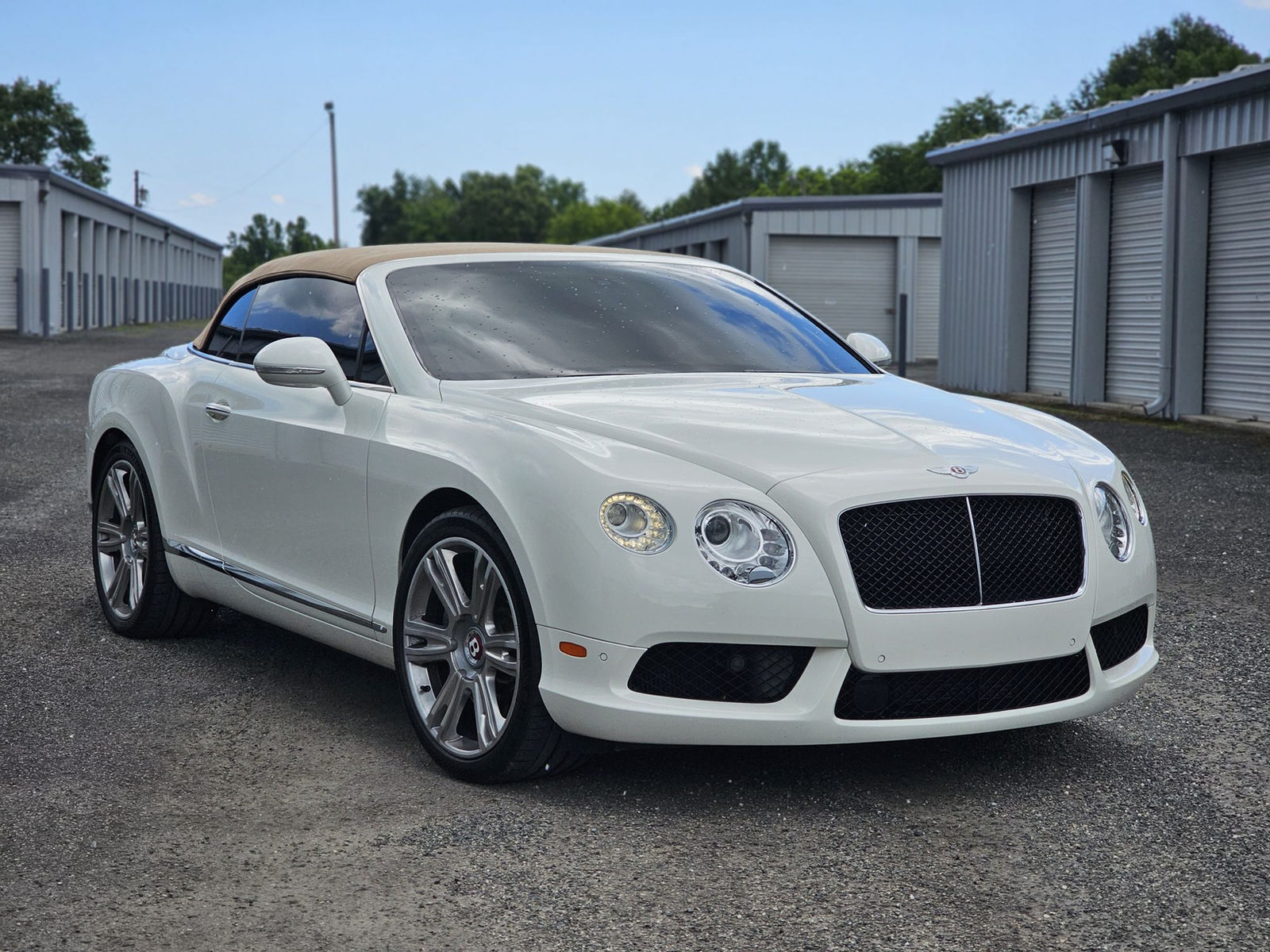
Paint protection film is a transparent urethane applied to painted panels. It takes the small impacts — road grit, stone chips, the edge of a car door — instead of your paint.
It is a newer service at JR Auto Style, and it is consultation-first. Nothing is quoted over the phone for PPF, because coverage depends on the car's paint and how it is used.
Not the same as tint
Window tint goes on glass and changes light. Paint protection film goes on painted surfaces and changes what reaches the paint. They are separate products with separate jobs.
Coverage packages
Not every vehicle needs the same coverage. JR Auto Style offers four paint protection film packages, so you can protect the areas that take the most rock chips and road wear — from a partial front to the full vehicle. We'll look at how you drive and recommend the package that fits. Clear film is cut and installed in our Mount Airy shop.


Partial front
The leading-edge package — film on the parts of the nose that catch the most rock chips.
- Partial hood
- Partial front fenders
- Full front bumper
- Mirrors


Full front
Full coverage for the hood, front fenders, front bumper, and mirrors.
- Full hood
- Full front fenders
- Full front bumper
- Mirrors


Track pack
Full-front protection, plus the rockers, A-pillars, and the roof's edge — built for cars that see harder miles.
- Full hood
- Full front fenders
- Full front bumper
- Mirrors
- Rockers
- A-pillars
- Roof's edge


Full coverage
Nearly complete painted-body protection, from the front bumper to the rear.
- Full hood, trunk, and roof
- Full fenders, doors, quarters, and rockers
- Full front and rear bumpers
- Mirrors and A-pillars
Ready to protect your paint? We'll recommend the coverage that fits your vehicle.
Book an appointmentOptions, discussed against how you drive
Coverage is chosen, not assumed. A car that lives on the highway has a different weak point from one that sees gravel roads or track days, and the film only helps where it is actually applied.
- Front end
- The high-impact zone: front bumper, part or all of the hood, front fenders and mirror caps. The most common starting point.
- High-use additions
- Headlights, door edges, door cups, rockers and the rear bumper loading area — the places wear shows up first.
- Full body
- Every painted panel. A larger, slower job with more disassembly and more film; discussed honestly, including whether it is worth it for your car.
- What we will not do
- We will not film over failing paint, active rust, or fresh paint that has not finished curing. That is a conversation at the consultation, not a surprise.
What film can and cannot promise
Film is not scratch-proof, and it is not damage-proof. It absorbs a great deal of what a road throws at a car, and it can still be marked, torn or worn through by a hard enough impact. When that happens, the film is replaced — which is the point of having it.
Film does not correct existing paint damage. Chips, deep scratches and swirl marks need to be addressed before film goes on, or they stay exactly as they are under a clear layer. We will tell you what we see and what it means for the result.
Film also does not replace careful washing, and it does not make a car maintenance-free.
Keeping it looking like it did on day one
- Washing
- Hand wash, or a touchless wash. Avoid rotating brushes, which catch film edges.
- Pressure
- Keep high-pressure nozzles back from edges and seams, and never aim them directly at a lifted corner.
- Curing
- Fresh film needs time before its first wash. The shop gives you the specific period for the material used.
- Inspection
- Edges are the first thing to check. Bring the car back if a corner lifts rather than picking at it.
Tell us about the vehicle or the property.
A short description is enough to start. We will come back to you with questions, and with a quote once the details are settled. Nothing is charged and nothing is confirmed until you agree to it.